How Artificial Intelligence Is Changing the Mobile Gaming Experience
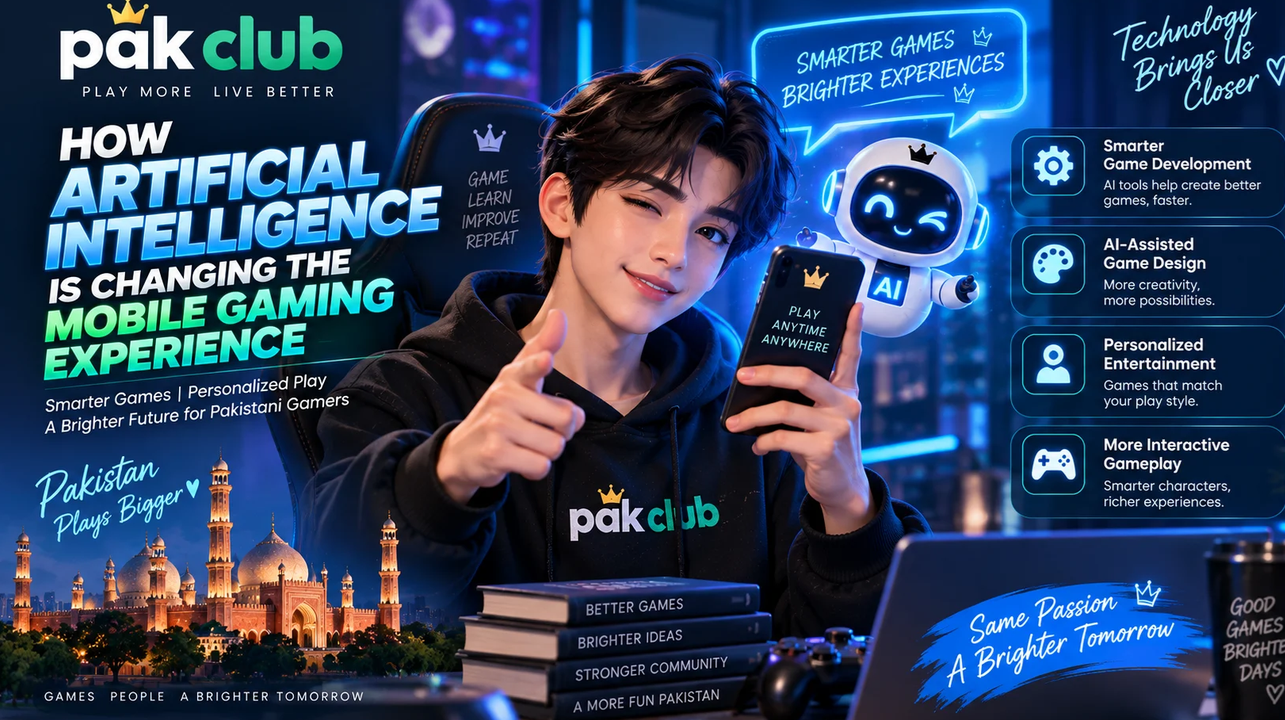
Artificial intelligence (AI) is becoming an important part of modern technology, and the gaming industry is no exception. From smarter game development to personalized entertainment, AI is helping developers explore new ways to create interactive experiences.
For Pakistani gamers, these developments could mean more engaging mobile games, improved gameplay, and entertainment that adapts to different preferences.
As smartphones continue to serve as convenient entertainment devices, understanding how AI in mobile gaming works can help players discover what the next generation of games may offer.
1. Smarter Game Development With Artificial Intelligence
Creating a mobile game involves several stages, including programming, character design, animation, testing, and performance optimization.
Traditionally, developers have handled many of these tasks manually. Artificial intelligence now provides additional tools that can assist with certain parts of the development process.
For example, AI-powered coding assistants can help programmers identify errors, suggest code improvements, and generate initial scripts. Developers can then review and refine the results before integrating them into their games.
AI can also assist with repetitive development tasks, allowing teams to spend more time improving gameplay and creating original ideas.
This is particularly interesting for independent developers and smaller gaming studios in Pakistan, where teams may need to manage multiple responsibilities with limited resources.
However, AI does not eliminate the need for skilled developers. Human creativity, technical knowledge, and careful testing remain essential for producing reliable gaming experiences.
2. AI-Assisted Game Design Creates New Possibilities
Game design involves much more than attractive graphics. Developers must carefully consider how characters move, how challenges work, and how players interact with different features.
AI-assisted design tools can support this creative process by helping generate concept art, experimental environments, and preliminary character designs.
For example, a developer creating a fantasy adventure game might use AI to explore several environment concepts before selecting a design for further development.
Similarly, AI can help generate early versions of game assets that artists can review, improve, or replace.
This approach gives development teams opportunities to experiment with different ideas without starting every concept from scratch.
For Pakistani game creators, AI-assisted tools could make it easier to explore locally inspired stories, characters, and environments while maintaining control over the final creative direction.
The important distinction is that AI provides assistance rather than guaranteeing a finished product. Developers must still check originality, quality, performance, and intellectual property considerations.
3. Personalized Entertainment for Different Players
One interesting application of AI in mobile gaming is the possibility of adapting certain experiences to individual preferences.
Not every player enjoys the same type of challenge. Some prefer casual puzzle games, while others enjoy strategy, adventure, or competitive gameplay.
AI-powered systems can analyze permitted gameplay information to recommend suitable content, suggest challenges, or adjust non-financial difficulty settings.
For example, a puzzle game might identify when a player repeatedly struggles with a particular level and offer an optional hint.
An adventure game could introduce different dialogue or character interactions based on a player's choices.
These features can make entertainment feel more responsive and interactive.
Players exploring different gaming options may encounter platforms such as pak club, where reviewing available games, platform features, and terms of service can help them make informed choices. AI-powered features should not be assumed to exist on a platform unless they are specifically documented.
Personalization should also respect user privacy. Players deserve clear information about how their data is collected, stored, and used.
4. More Interactive Characters and Gameplay
Artificial intelligence also offers possibilities for improving non-player characters, commonly known as NPCs.
In traditional games, characters often follow predefined instructions or repeat scripted conversations.
AI-driven systems can potentially allow characters to respond more dynamically to player actions, creating different interactions within the same game.
For example, an adventure character might respond differently depending on a player's previous decisions.
Developers can also experiment with dynamic environments and interactive storytelling.
However, these advanced features require careful design and may increase processing requirements, development costs, and technical complexity.
For mobile users in Pakistan, efficient performance remains important, particularly when playing on affordable smartphones or limited internet connections.
5. The Future of AI in Mobile Gaming in Pakistan
As AI technology develops, Pakistani gaming studios have opportunities to experiment with assisted development, improved testing, and innovative gameplay concepts.
AI tools may help smaller teams prototype ideas, identify technical problems, and explore creative possibilities.
At the same time, successful mobile games will still depend on accessibility, enjoyable gameplay, secure systems, and reliable performance.
Developers must also consider transparency, responsible data handling, and the limitations of automated systems.
AI-generated content should undergo appropriate human review rather than being treated as automatically accurate or suitable.
Conclusion
AI in mobile gaming is opening new possibilities for developers and players alike.
From smarter development workflows and AI-assisted design to personalized entertainment and interactive characters, artificial intelligence can contribute to more flexible gaming experiences.
For Pakistan's gaming industry, these tools offer opportunities to develop original ideas and experiment with new technology.
Ultimately, the future of mobile gaming will depend on combining technological innovation with human creativity, responsible development, and enjoyable experiences for players.